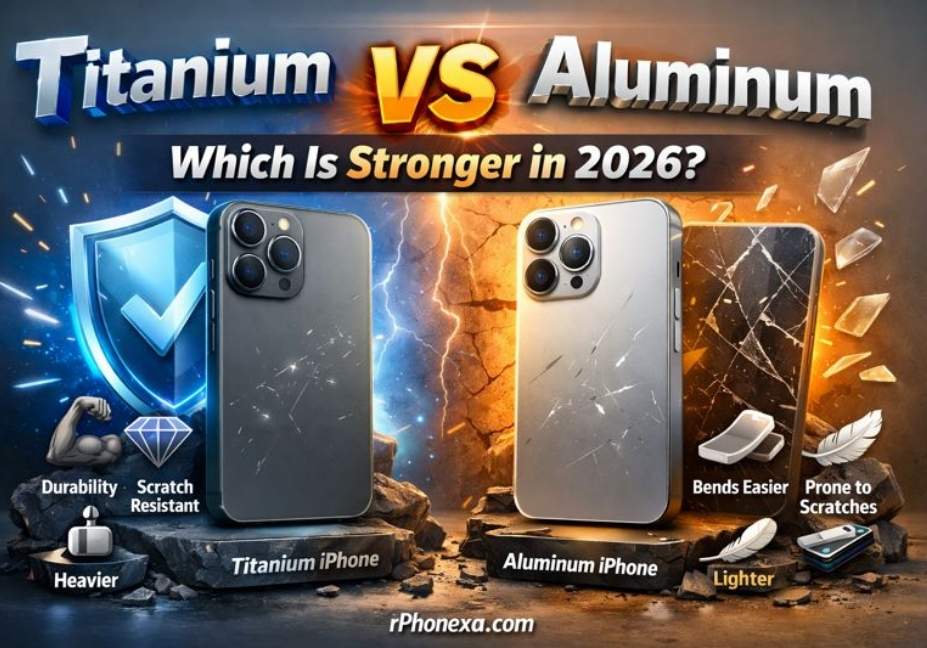
Titanium vs Aluminum iPhone: Which Is Stronger in 2026?
When few prople buy a new iPhone in 2026, they confuse about its strength and durability. Two of the most popular materials Apple uses are titanium and aluminum. Both feel premium, but which one is actually stronger?
In this guide, we will look at all the important differences: from scratch resistance to weight, drop tests, price, and even environmental impact. By the end, you’ll know which material is the best fit for you, whether you care about durability, comfort, or long-term value.
If you’ve ever worried about scratches, dents, or bending, this article will answer your questions in a simple, clear way.
Understanding iPhone Materials – Titanium and Aluminum
Apple has used different materials for iPhones over the years. Two of the most common materials today are aluminum and titanium. Each one has its own strengths and weaknesses, and knowing them helps you pick the right iPhone for your needs.
Aluminum in iPhones
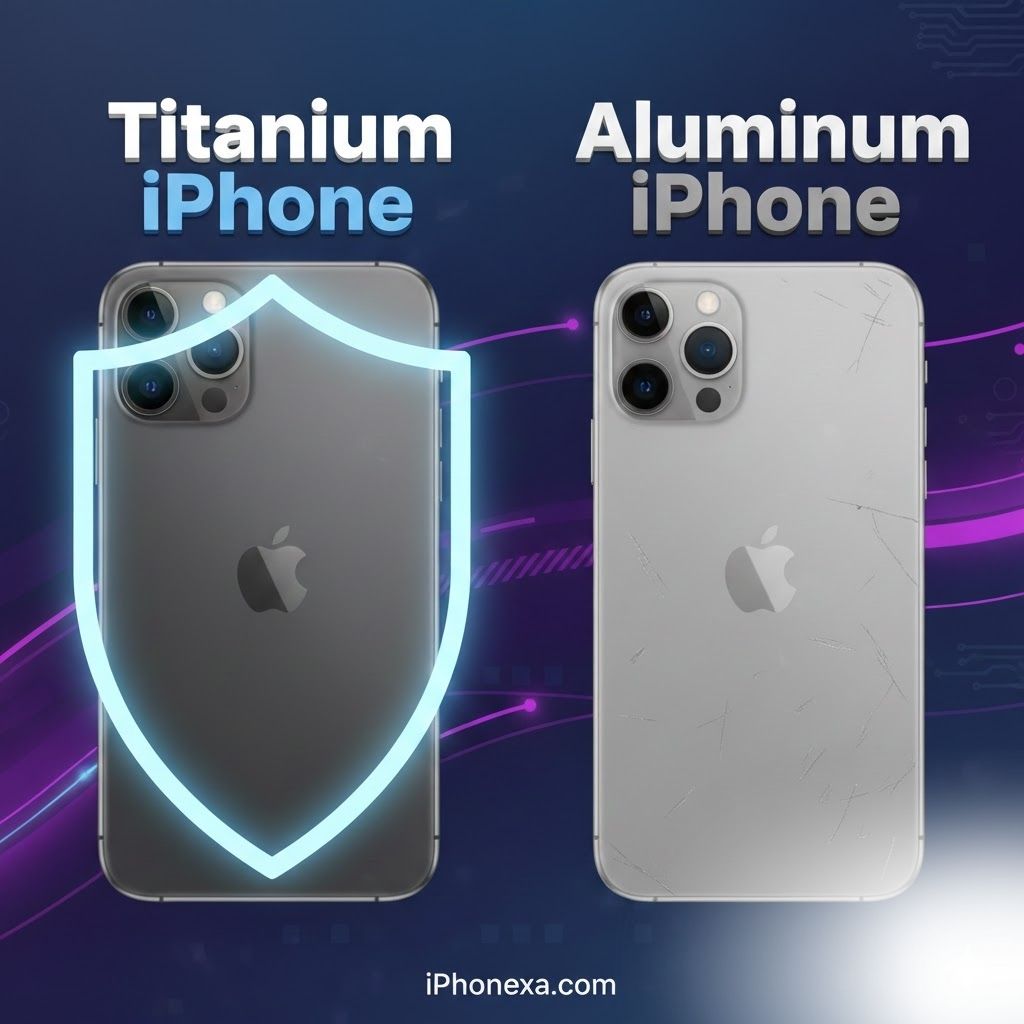
Aluminum is lightweight, smooth, and easy to handle. Most iPhones before 2022 were made with aluminum frames. Here’s why people like it:
- Lightweight: Makes the iPhone easy to carry and hold for long periods.
- Cost-effective: Aluminum iPhones are cheaper than titanium models.
- Good heat conductor: Helps keep the phone cool during heavy use.
However, aluminum also has some downsides:
- Scratches and dents easily: Aluminum is softer than titanium, so it can get small dents or scratches if dropped or rubbed against hard surfaces.
- Less premium feel: While it looks nice, it doesn’t feel as luxurious as titanium.
Quick fact: Aluminum iPhones are still very durable for daily use, but they may show wear over a few years.
“Curious about the latest upgrades? Check out our iPhone 16 vs 15 – Detailed Review and Key Differences to see what’s new.”
Titanium in iPhones
Titanium is newer to the iPhone lineup, appearing in models like the iPhone 15 Pro. Apple calls it a premium material, and for good reason:
- Stronger and more durable: Titanium can handle drops and scratches much better than aluminum.
- Corrosion-resistant: It doesn’t rust or get damaged easily.
- Premium feel: Titanium phones feel heavier and more solid, giving a luxury experience.
But titanium isn’t perfect:
- Higher cost: Titanium iPhones are more expensive.
- Slightly heavier: Some people notice the extra weight in their pocket or hand.
- Thermal conductivity: Titanium is not as good at moving heat away, so it can feel slightly warmer in heavy use.
Side-by-Side Quick Comparison: Aluminum vs Titanium
| Feature | Aluminum | Titanium |
|---|---|---|
| Weight | Light | Slightly heavier |
| Strength | Good | Excellent |
| Scratch resistance | Medium | High |
| Corrosion resistance | Medium | High |
| Price | Lower | Higher |
| Premium feel | Moderate | Very premium |
Titanium vs Aluminum iPhone – Key Strength Metrics
When deciding between a titanium iPhone and an aluminum iPhone, most people care about how strong and durable it is in real life. Let’s break it down by scratch resistance, drop tests, weight, and heat management.
Scratch and Dent Resistance
Scratch resistance is one of the biggest worries for iPhone owners.
- Aluminum: Softer than titanium, so it can get small scratches or dents if you drop it or place it on rough surfaces. Many users notice light scuff marks after a few months.
- Titanium: Much harder and more durable. It resists scratches and dents much better, keeping the phone looking new for longer.
Tip: Even with titanium, always use a case or screen protector for maximum protection.
Structural Integrity & Drop Test
Drop tests show how materials behave under stress.
- Aluminum iPhone: Can survive short drops (like from a table), but may bend slightly under heavy force.
- Titanium iPhone: Stronger frame, less likely to bend, and often survives drops from higher heights without damage.
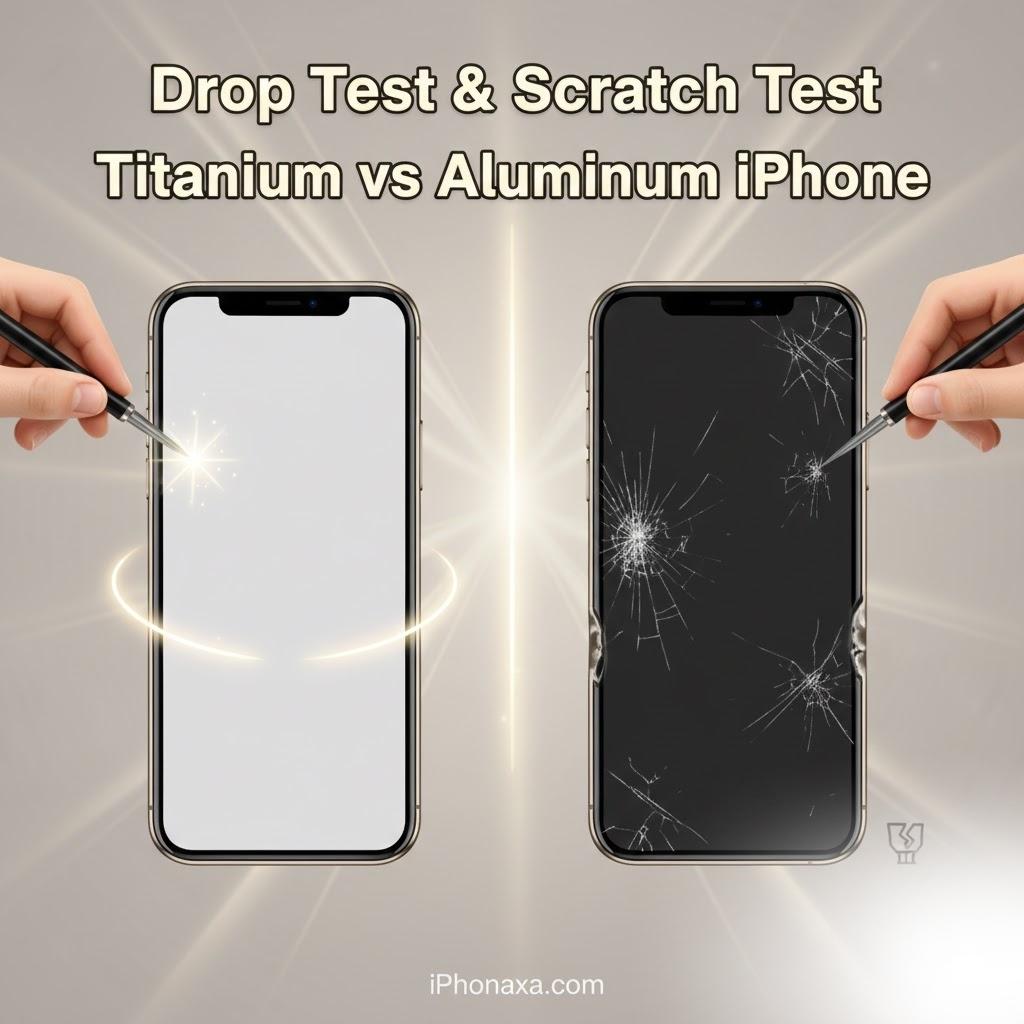
According to Real-world insight, reviewers on YouTube and tech blogs report that titanium iPhones handle accidental drops much better than aluminum models.
“Want to see how Apple’s top models stack up? Read the iPhone 14 Pro Max vs iPhone 15 Pro Max Battle 2025 for the full comparison.”
Weight and Ergonomics
- Aluminum: Very light, easy to hold one-handed. Ideal for daily use and long calls.
- Titanium: Slightly heavier, giving a premium, solid feel. Some users love it, but a few may notice the extra weight in the pocket.
Thermal Conductivity & Heat Management
- Aluminum: Conducts heat better, so your phone stays cooler during heavy gaming or charging.
- Titanium: Doesn’t transfer heat as quickly, so it can feel slightly warmer under heavy usage.
Side-by-Side Strength Metrics Table
| Feature | Aluminum iPhone | Titanium iPhone |
|---|---|---|
| Scratch Resistance | Medium | High |
| Dent Resistance | Medium | Very High |
| Drop Test | Survives small drops | Survives medium & high drops |
| Weight | Light | Slightly heavier |
| Heat Management | Excellent | Good |
| Long-term durability | Good | Excellent |
Titanium vs Aluminum iPhone – Price & Value
Buying an iPhone isn’t just about how strong it is. Many people also wonder: “Is the extra cost worth it?” Let’s break down the differences in price, resale value, and overall value.
Price Comparison
- Aluminum iPhone:
- Usually cheaper than titanium models.
- Perfect for people who want a strong, reliable iPhone without paying extra for premium materials.
- Titanium iPhone:
- More expensive because titanium is stronger and harder to produce.
- Often found in Pro or ultra-premium models.
- If you want maximum durability and a luxury feel, titanium is the choice.
Tip: If you often drop your phone or plan to use it for years, titanium might be worth the extra cost.
Resale Value
- Titanium iPhones often retain value better because they stay looking new longer.
- Aluminum iPhones may show scratches and dents, which can slightly reduce resale price.
- If you plan to upgrade every few years, titanium could save money in the long run despite the higher initial price.
Who Should Buy Which?
| Type of User | Best Material | Reason |
|---|---|---|
| Budget-conscious | Aluminum | Affordable, durable enough for daily use |
| Frequent phone droppers | Titanium | Stronger frame, scratch-resistant |
| Premium experience seeker | Titanium | Luxury feel, high durability |
| Lightweight preference | Aluminum | Easy to hold, lighter in pocket |
Quick Advice
- Aluminum is ideal for most users who want a good balance of price and durability.
- Titanium is perfect for premium users or those who want a phone that lasts longer and looks new.
User Experiences & Reviews: Titanium vs Aluminum iPhone
When choosing between a titanium iPhone and an aluminum iPhone, many people rely on real user experiences and expert opinions. Let’s see what people are saying about durability, feel, and everyday use.
Aluminum iPhone – User Feedback
- Many users love aluminum iPhones for being lightweight and easy to carry.
- Common feedback includes:
- “My aluminum iPhone feels smooth, but I noticed some scratches after a few months.”
- “It’s perfect for everyday use, and the price is reasonable.”
- Review summary: Aluminum is practical, affordable, and reliable, but shows wear over time.
Titanium iPhone – User Feedback
- Titanium iPhone users often comment on the premium feel and durability.
- Examples:
- “I dropped my titanium iPhone, and it didn’t even dent. Totally worth the extra money.”
- “Feels solid in the hand and looks brand new even after months of use.”
- Review summary: Titanium feels premium, lasts longer, and resists scratches, but costs more.
Expert Opinions
- Tech reviewers and teardown experts often point out:
- Titanium is structurally stronger than aluminum.
- Aluminum is sufficient for everyday use, but titanium is future-proof for durability.
- Sources like iFixit, CNET, and MacRumors highlight that titanium has higher scratch resistance and drop survival rates.
Pros & Cons from Real Users
| Feature | Aluminum iPhone | Titanium iPhone |
|---|---|---|
| Daily durability | Good | Excellent |
| Scratch resistance | Medium | High |
| Premium feel | Moderate | Very premium |
| Price | Lower | Higher |
| User satisfaction | High | Very high |
Takeaway from Users & Experts
- Aluminum iPhones: Great for everyday users who want reliability and lower cost.
- Titanium iPhones: Perfect for those who value strength, luxury feel, and long-term durability.
Environmental & Sustainability Perspective: Titanium vs Aluminum iPhone
When thinking about iPhone materials, it’s not just about strength or price. Many buyers today also care about how environmentally friendly the materials are. Let’s explore aluminum vs titanium in terms of sustainability.
Aluminum iPhone – Eco-Friendly Profile
- Recyclable: Aluminum is highly recyclable, making it easier for Apple to reuse in future devices.
- Lower energy cost: Mining and processing aluminum generally requires less energy than titanium.
- Less environmental impact: Aluminum iPhones have a smaller carbon footprint compared to titanium iPhones.
User insight: Choosing aluminum can be a more eco-conscious choice without sacrificing durability for everyday use.
Titanium iPhone – Environmental Considerations
- Stronger but energy-intensive: Titanium is harder to mine and process, consuming more energy.
- Recycling challenges: Titanium is more difficult to recycle than aluminum, although it can still be reused.
- Long-lasting materials: On the plus side, titanium lasts longer, so fewer replacements may be needed, which helps reduce waste.
User insight: Titanium is durable, but if sustainability is a top priority, aluminum may be the better choice.
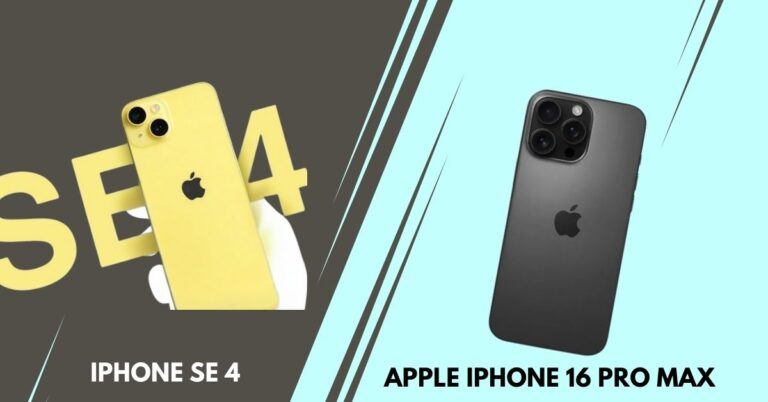
“Wondering which Apple device is the better pick? Read our iPhone SE 4 vs iPhone 16 – Which Apple Device Reigns Supreme? article for the full comparison.”
Comparison Table: Sustainability Factors
| Feature | Aluminum iPhone | Titanium iPhone |
|---|---|---|
| Recyclability | High | Medium |
| Carbon footprint | Lower | Higher |
| Durability | Good | Excellent |
| Long-term waste | Moderate | Low (due to longevity) |
| Eco-friendly choice | Yes | Good but costly |
Takeaway
- Aluminum is a greener choice for everyday users who care about the planet.
- Titanium is premium and long-lasting, which reduces replacement frequency, but its mining and production have a higher environmental cost.
Titanium vs Aluminum iPhone – Final Verdict
After looking at all the factors — strength, durability, weight, price, user reviews, and sustainability — it’s time to decide: Which iPhone material is better for you in 2026?
Side-by-Side Comparison Table
| Feature | Aluminum iPhone | Titanium iPhone |
|---|---|---|
| Scratch Resistance | Medium | High |
| Dent Resistance | Medium | Very High |
| Drop Test | Survives small drops | Survives medium & high drops |
| Weight | Light | Slightly heavier |
| Heat Management | Excellent | Good |
| Price | Lower | Higher |
| Premium Feel | Moderate | Very Premium |
| Sustainability | High | Medium |
| Resale Value | Good | Excellent |
| User Satisfaction | High | Very High |
Who Should Buy Aluminum iPhone?
- You want a lightweight phone that’s easy to handle.
- You prefer a lower-priced iPhone that’s still durable for everyday use.
- You care about eco-friendly materials and sustainability.
- Ideal for budget-conscious users or first-time iPhone buyers.
Who Should Buy Titanium iPhone?
- You want a premium, luxury feel in your hand.
- You often drop or handle your phone roughly and need extra durability.
- You’re okay with a higher price for stronger materials and longer lifespan.
- Ideal for frequent users, premium buyers, or collectors.
Final Thoughts
Both aluminum and titanium iPhones are excellent choices in 2026.
- Aluminum iPhones give you practical durability, lightweight design, and eco-conscious materials at a lower price.
- Titanium iPhones offer maximum durability, luxury feel, and higher resale value, perfect for users who want strength and premium experience.
Choosing between them depends on your budget, usage habits, and personal preferences. Either way, you’ll have a high-quality iPhone that lasts for years.